


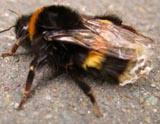
Our world would be a poorer place if there were no bees. They are responsible for pollinating about one-sixth of the flowering plant species worldwide and approximately 400 different agricultural types of plant.
Worldwide, bees pollinate a huge range of food crops, and additionally, honey bees play a significant role in the pollination of other vital crops such as cotton and flax. And there are also many valuable non-food products produced by the honey bee, such as beeswax – used in cleaning and beauty products.
Many food crops rely on pollination by bees and other insects and birds; these include tomatoes, broccoli, asparagus, cantaloupes, cucumbers, pumpkins, blueberries, watermelons, almonds, apples, strawberries, cranberries, and cherries.
Honey is a popular food product created by bees. It is made by bees regurgitating nectar and passing it back and forth in their mouths to one another before depositing and sealing it in a honeycomb. In the UK we have 25 native species of bumblebee. This may seem like a lot, but sadly, three species are already extinct, two are critically endangered and many more are seriously declining in numbers.
So what exactly does pollination involve? It is the transfer of pollen from the male part of the flower, the anther, to the stigma, which is the female part of the flower. During the meeting of the two parts, a plant’s seed, nut or fruit is then formed. Bees have hairs and pockets on their legs, allowing them to collect pollen and transport it between plants. Bumblebees appear to be even more successful at pollinating certain crops due to their larger sizes and more vigorous vibrations.
Last but not least, bees make a huge contribution to the beauty of the planet’s floral landscapes. Bees are responsible for pollinating about one-sixth of the flowering plant species worldwide We are all enchanted by the sight of a wildflower field or the colourful garden flowers that we happily cultivate.
Bees are mainly under threat because of changes to the countryside. Developments in agricultural techniques mean that there are fewer wildflowers in the landscape than there used to be, meaning that many of our bumblebee species are struggling to survive.
Advancing technology and the demand for increased food production has meant that traditional agricultural practices have made way for techniques which increased productivity but ultimately reduced the numbers of wildflowers in the countryside. Since the 1930s, it has been estimated 97% of flower-rich grassland has been lost. As bees rely entirely upon flowers for food, it is unsurprising that their populations began to rapidly decline in most places.
There is a great need for more awareness and action to protect bees and the surrounding environment as a whole for the good of the planet.
The Academy for Distance Learning provides a range of useful courses in matters relating to environmental conservation, horticulture and marine conservation too. So do consider being proactive – potentially making a huge contribution to conserve our wonderful planet.